President Trump is known for putting economic growth first. He champions American industry. He pushes deregulation. He welcomes corporate expansion if it means jobs and global dominance.
But this week, in a rare and notable shift, Trump drew a hard line against some of the biggest companies in the world — and did it on behalf of everyday Americans.
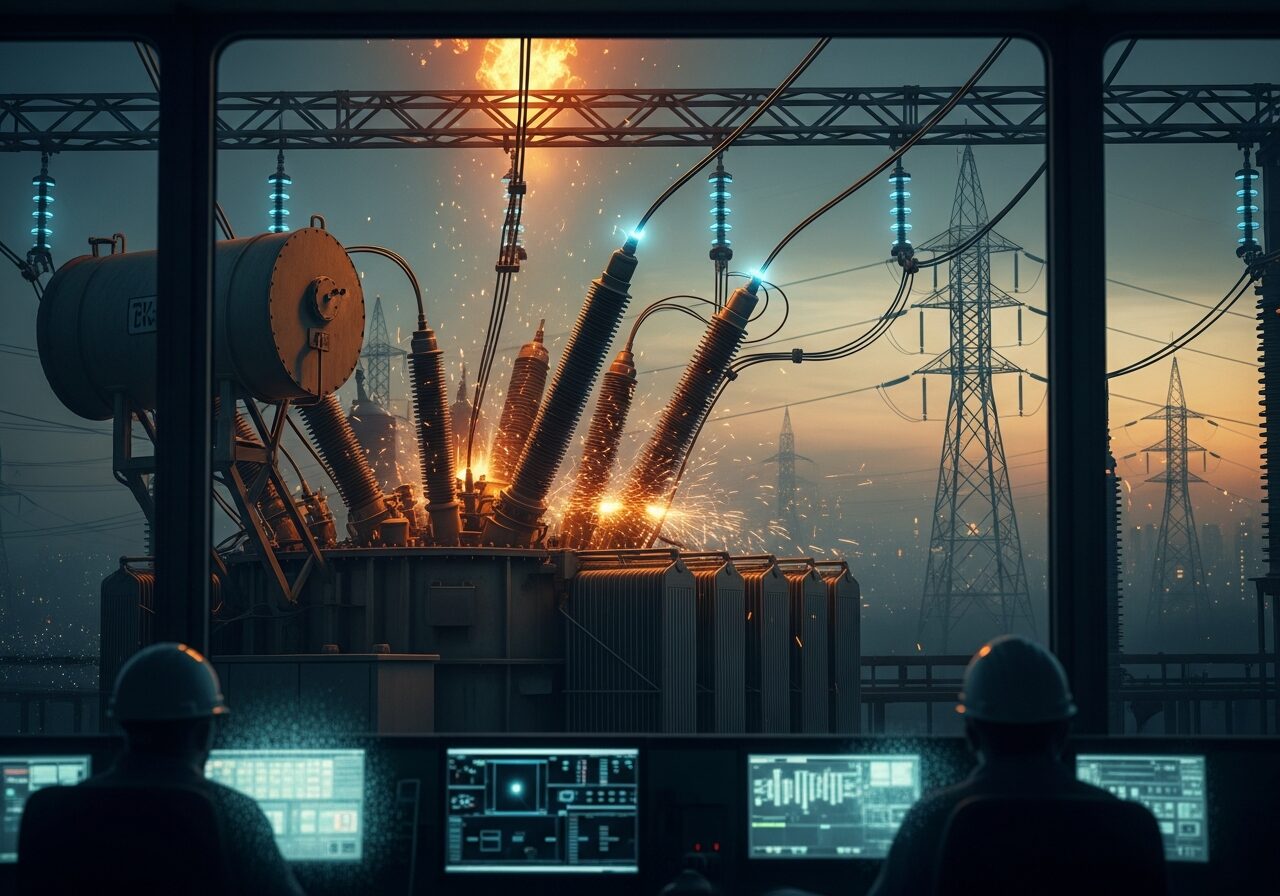
The issue? AI data centers and their staggering electricity consumption.
During his 2026 State of the Union address, Trump acknowledged what millions of Americans have been feeling as their utility bills climb: the nation’s aging power grid simply cannot handle the explosive energy demands of artificial intelligence infrastructure.
“We have an old grid. It could never handle the kind of numbers, the amount of electricity that’s needed,” Trump said. “So I’m telling them, they can build their own plant.”
That brief statement — barely a minute long — may end up saving American households hundreds of dollars per year.
Because the numbers behind this issue are staggering. As Trump noted, “A single large AI data center consumes as much electricity annually as 2 million homes.”
Two million homes.
When tech giants like Amazon, Google, Meta, Microsoft, Oracle, OpenAI, xAI and others build massive AI campuses, that electricity has to come from somewhere. Until now, much of it has been drawn from the same grid powering American families — contributing to skyrocketing utility bills nationwide.
And that has sparked bipartisan concern.
The White House moved quickly to formalize what Trump announced. “Major Tech companies will join President Trump at the White House next week to formally sign the Rate Payer Protection Pledge that he announced during his historic State of the Union address,” White House spokeswoman Taylor Rogers told Fox News Digital.
“Under this bold initiative, these massive companies will build, bring, or buy their own power supply for new AI data centers, ensuring that Americans’ electricity bills will not increase as demand grows,” she added. “President Trump is committed to ensuring American AI dominance while simultaneously lowering costs for working families.”
That balancing act is key.
The Trump administration has aggressively promoted AI expansion to ensure the United States does not fall behind China in the tech arms race. Texas, Louisiana, and Pennsylvania are already seeing explosive growth in AI campuses. Companies are expected to spend trillions of dollars building out infrastructure capable of powering advanced AI models.
But that growth has consequences.
The AI infrastructure buildout has contributed to skyrocketing utility bills for millions across the country, triggering backlash as communities realize that these facilities consume power equivalent to entire cities.
Rather than let that political and economic pressure fester, Trump pivoted.
“Tonight, I’m pleased to announce that I have negotiated the new rate payer protection pledge,” he said. “You know what that is? We’re telling the major tech companies that they have the obligation to provide for their own power needs.”
“We have an old grid,” he continued. “It could never handle the kind of numbers, the amount of electricity that’s needed. So I’m telling them, they can build their own plant. They’re going to produce their own electricity. It will ensure the company’s ability to get electricity, while at the same time, lowering prices of electricity for you.”
That’s not anti-business. It’s pro-consumer.
Even some AI developers appear to recognize the political moment. “American families shouldn’t pick up the tab for AI. In support of the [White House] rate payer protection pledge, Anthropic has committed to covering 100% of electricity price increases that consumers face from our data centers,” Heck wrote in a post on X.
This is a rare case where Trump — often accused of favoring corporate expansion at all costs — chose to put ratepayers ahead of tech giants.
Yes, America must win the AI race. Yes, jobs and innovation matter.
But if that victory comes at the expense of working families’ electric bills, it isn’t sustainable.
In this instance, Trump bowed to bipartisan pressure — and Big Tech is the one footing the bill. Good on him.